
The Stuttering Community
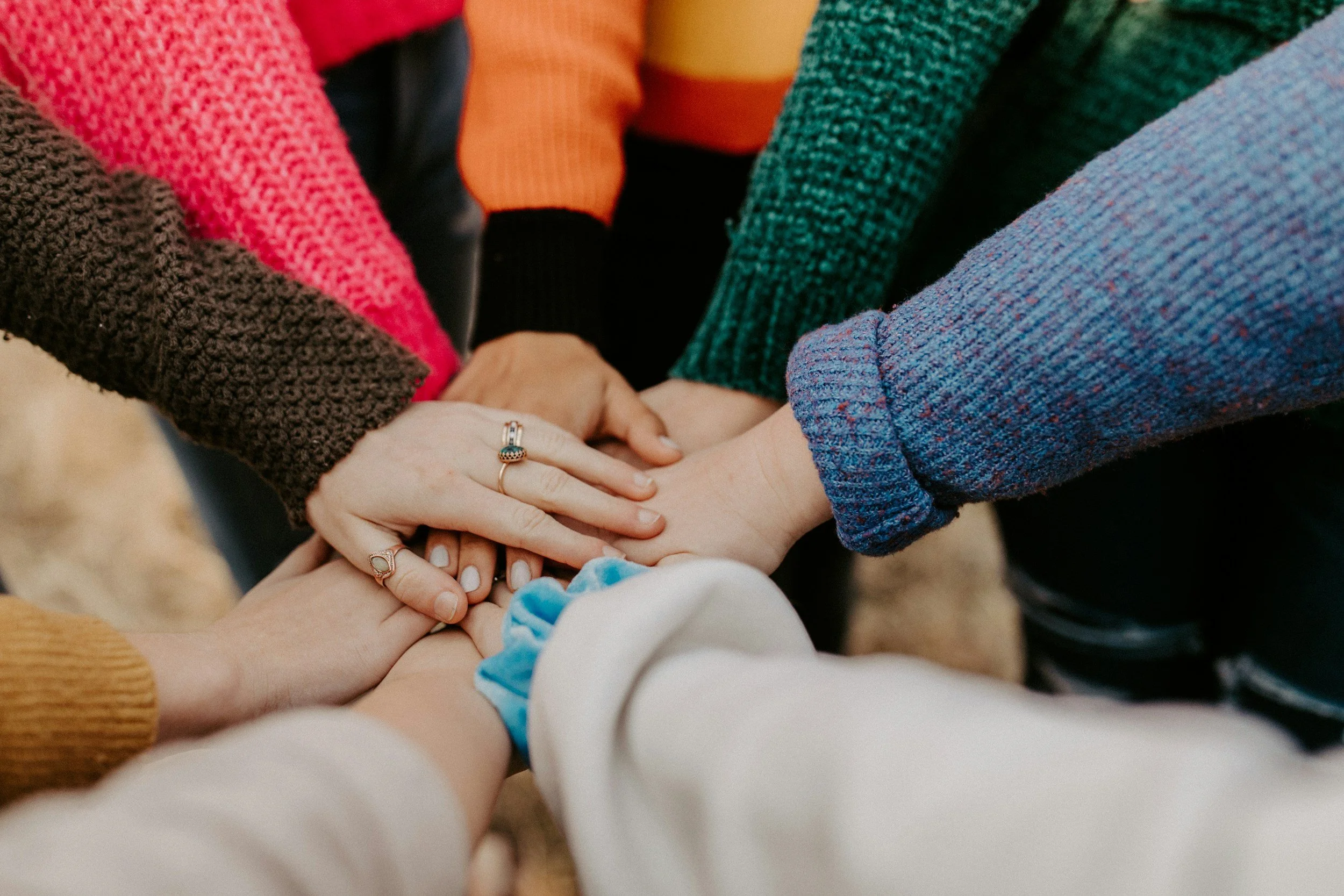
The Importance of Community
Being part of the stuttering community can have positive impacts in the life of a person who stutters. Research has show the significance of joining the stuttering community in various ways, not only for the person who stutters, but for their families as well.
The utility of stuttering support organization conventions for young people who stutter (Gerlach et al., 2019):
Children and teenagers formed strong relationships and found a sense of community
A collaborative learning environment facilitated personal growth
Communicative and cognitive changes persisted beyond the convention
Listening to and sharing personal stories increased self-acceptance and the acceptance of others
Living with stuttering can be challenging, but the convention helped to normalize stuttering
Self-help conferences for people who stutter: a qualitative investigation (Trichon & Tetnowski, 2011):
Support group participation is associated with more positive perceptions of behaviors and experiences related to stuttering
Participating in support groups and having a goal of communicating freely (as opposed to trying not to stutter) are associated with less negative life outcomes due to stuttering
Speech treatment and support group experiences of people who participate in the National Stuttering Association (Yaruss et al., 2002):
Adults who stutter were asked how participation in NSA support group impacted their self-image and acceptance of themselves as people who stutter
57.1% - “very positively", 36.7% - “somewhat positively”
6.1% - no effect
0% - negative impact
Perceptions of persons who stutter before and after attending support group meetings (Murgallis et al., 2015):
Most study participants reported they gained hope and confidence from interactions with others in the group
People felt united in addressing universal aspects of life disruptions caused by stuttering
Members felt able to share strengths and help others which boosted their self-esteem and self-confidence
Reports of improved feelings about being a Person Who Stutters following meetings
Before attending meetings, many members believed that they were the only ones who stuttered and experienced the negative aspects of stuttering
The ability to share personal information about stuttering reduced the pressures that they experienced during everyday social interactions
Through participation in the meetings, participants mentioned that they obtained a better understanding of other people who stutter, and in turn, a better understanding of themselves
Stuttering Organizations & Resources
The National Stuttering Association
The NSA is the largest non-profit organization in the world dedicated to bringing hope and empowerment to children and adults who stutter, their families, and professionals, through support, education, advocacy, and research.
Local Family Support Group Chapters
Mentoring Program
Virtual Group Meetings & Events
Annual Conference
FRIENDS: National Stuttering Association for the Young
FRIENDS is a national nonprofit organization dedicated to providing support and education to young people who stutter, their families, and professionals, through annual conferences, one-day workshops, and outreach.
Virtual Kids, Teens, Parents Support Groups
Stepping Up Mentoring Program
Annual Conference
SAY: Stuttering Association for the Young
SAY: The Stuttering Association for the Young is a national non-profit organization that empowers, educates, and supports young people who stutter and the world that surrounds them.
Camp Say (summer camps)
Confident Voices (virtual creative programming)
SPACE: Stuttering Organization
SPACE is a national non-profit organization that creates a more inclusive and accessible world for people who stutter through arts, education and advocacy. They carry out advocacy initiatives to dismantle systemic obstacles and reduce stigma for those who stutter. They facilitate professional listening workshops for businesses and schools to improve listening equity. They offer unique online community and arts programs for people who stutter ages 7-25
Virtual Community & Arts Programs
Listening Worksh0ps
Library of Dysfluent Voices (showcasing the unique and diverse voices of people who stutter)
Camps for Young People Who Stutter:
Camp Shout-Out (Michigan)
Camp Say (Texas)
Camp Words Unspoken (Massachusetts, Florida, California)
Camp More (Oregon)
Camp T.A.L.K.S. (Talking And Learning with Kids who Stutter)
Camp Dream. Speak. Live. (Texas)
Ashley Cubberly M.A. CCC-SLP
Research & References
Gerlach, H., Hollister, J., Caggiano, L., Zebrowski, P. M. (2019). The utility of stuttering support organization conventions for young people who stutter. Journal of Fluency Disorders, 62. https://doi.org/10.1016/j.jfludis.2019.105724
Murgallis, T., Vitale, C., Tellis, G. M. (2015). Perceptions of persons who stutter before and after attending support group meetings. Procedia - Social and Behavioral Sciences, 193, 202–208. https://doi.org/10.1016/j.sbspro.2015.03.260
SAY The Stuttering Association for the Young. (n.d.). Retrieved from https://www.say.org/.
Trichon, M., Tetnowski, J. (2011). Self-help conferences for people who stutter: A qualitative investigation. Journal of Fluency Disorders, 36(4), 290–295. https://doi.org/10.1016/j.jfludis.2011.06.001
Yaruss, J. S., Quesal, R. W., Reeves, L., Molt, L. F., Kluetz, B., Caruso, A. J., McClure, J. A., Lewis, F. (2002). Speech treatment and support group experiences of people who participate in the National Stuttering Association. Journal of Fluency Disorders, 27(2), 115–134. https://doi.org/10.1016/s0094-730x(02)00114-6
